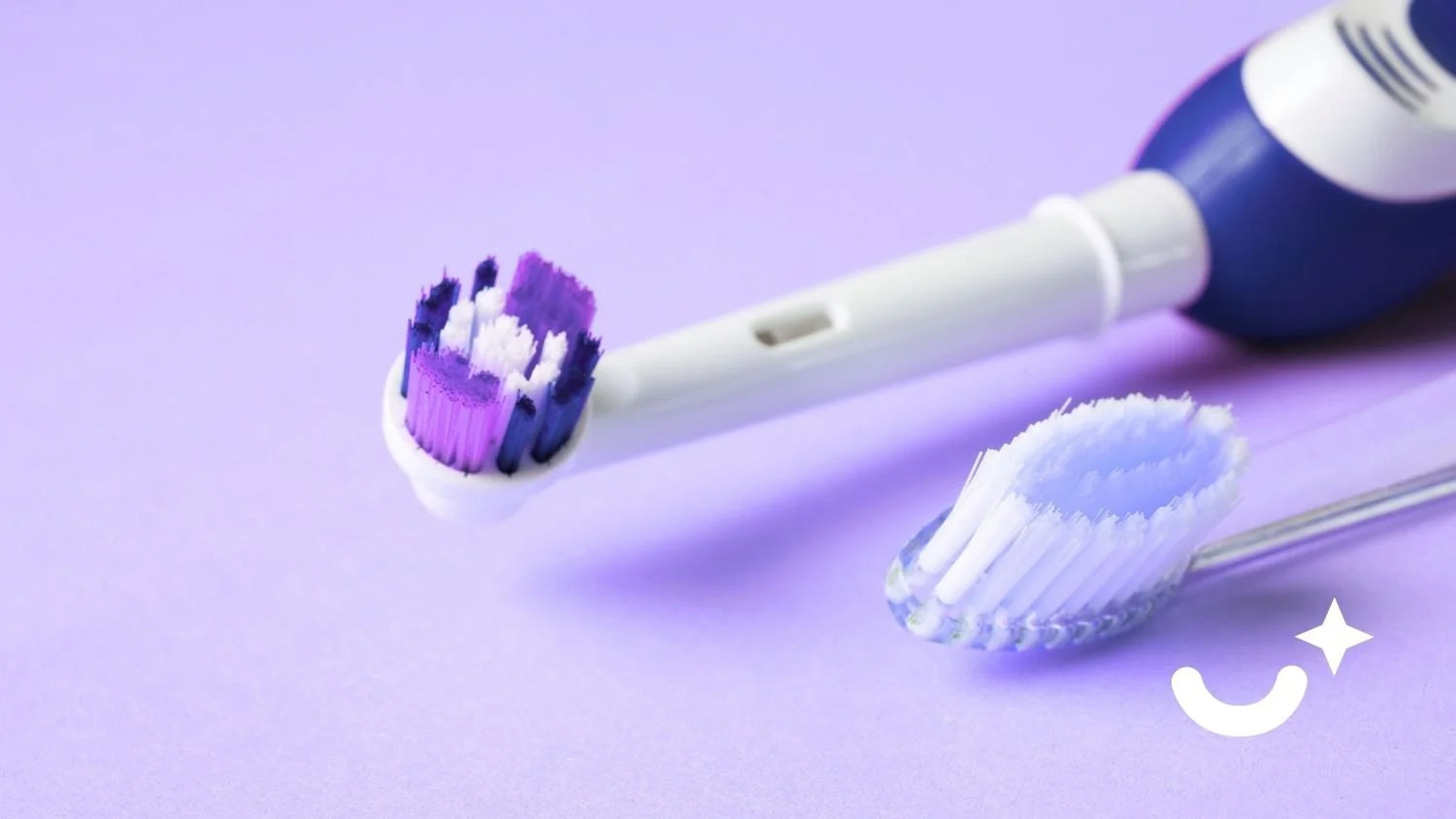
Manual vs. Electric Toothbrushes: The Final Verdict.
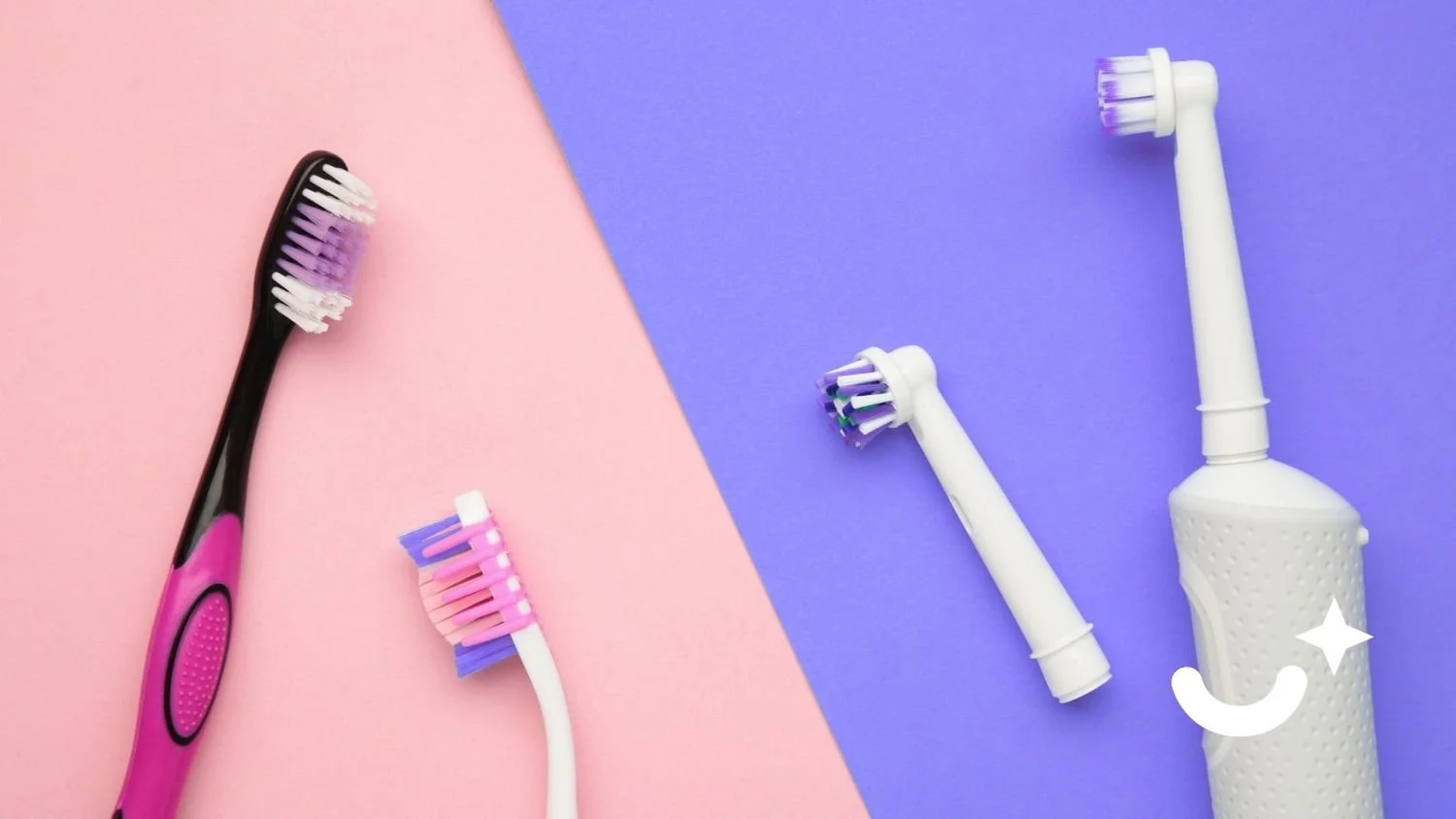
When it comes to maintaining a bright, healthy smile, one of the most common questions patients ask is: Should I use a manual or electric toothbrush?
With so many options available, choosing the right tool can feel overwhelming—especially if you're also investing in cosmetic dental solutions like veneers or chipped teeth repair. The truth is, your toothbrush plays a bigger role in your oral health than you might think.
Let’s break it down.
Why Your Toothbrush Matters for Oral Health and Cosmetic Results
Whether you're preventing cavities or protecting your investment in chipped teeth repair, proper brushing is essential. Poor brushing habits can lead to:
Plaque buildup
Gum disease
Tooth discoloration
Damage to dental work
Choosing the right toothbrush can help you maintain both your natural teeth and any cosmetic dental solutions you’ve had done.
Manual Toothbrush: The Classic Choice
Pros of Manual Toothbrushes
Affordable and accessible – Available everywhere at a low cost
Portable – No charging needed
Full control – You manage pressure and motion
Cons of Manual Toothbrushes
Technique-dependent – Easy to brush incorrectly
Less efficient plaque removal compared to electric options
No built-in timers – You might not brush long enough
Best for: People with excellent brushing technique and discipline.
Electric Toothbrush: The Modern Upgrade
Pros of Electric Toothbrushes
Superior plaque removal – Especially helpful for gum health
Built-in timers – Ensures you brush for the recommended 2 minutes
Pressure sensors – Prevent brushing too hard (important for protecting enamel and dental work)
Great for orthodontic or cosmetic cases – Ideal if you’ve had chipped teeth repair or other treatments
Cons of Electric Toothbrushes
Higher cost upfront
Requires charging or batteries
Less travel-friendly
Best for: Patients who want an easier, more effective brushing routine.
Which Is Better for Chipped Teeth Repair and Cosmetic Dental Solutions?
If you’ve invested in treatments like bonding, veneers, or other cosmetic dental solutions, your brushing habits matter even more.
Electric toothbrushes are generally recommended because they:
Clean more thoroughly around restorations
Reduce the risk of overbrushing (which can damage bonding or enamel)
Help maintain long-term results of chipped teeth repair
However, a manual toothbrush can still be effective—if used correctly.
The Final Verdict: Manual vs. Electric Toothbrush
Here’s the honest answer:
Both can work—but electric toothbrushes make it easier to get better results.
Choose manual if you’re confident in your technique
Choose electric if you want convenience, consistency, and enhanced cleaning
At the end of the day, the best toothbrush is the one you’ll use properly and consistently.
Ready to Upgrade Your Smile?
Whether you're maintaining your oral health or considering chipped teeth repair, the right tools and habits make all the difference.
Book a consultation today and discover the best solutions for your smile.