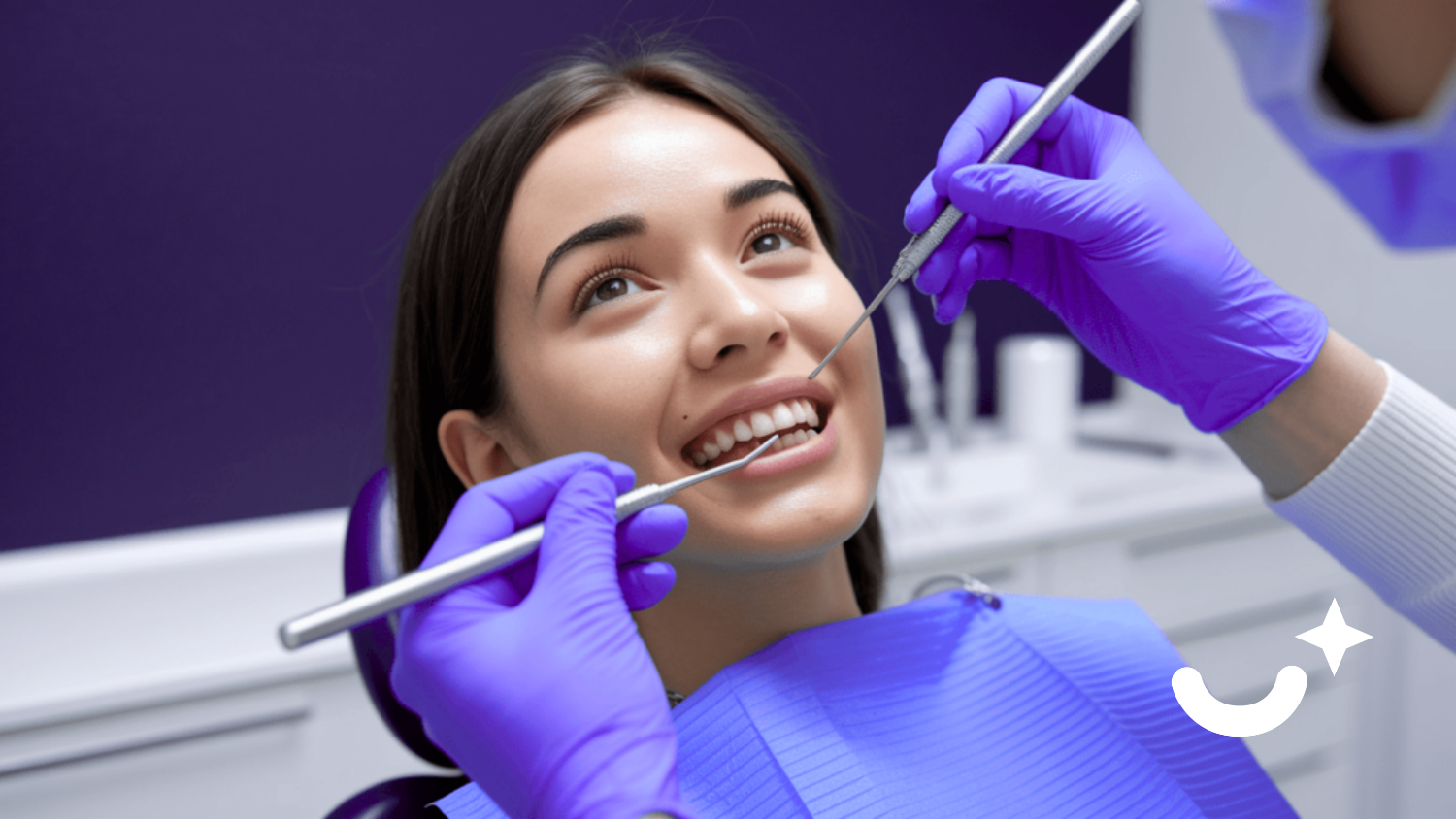
Bonding vs. Veneers: Choosing the Best Fix for Chipped Teeth.
A chipped tooth can be more than just a cosmetic concern—it can affect your confidence, oral health, and even your bite. Fortunately, modern dentistry offers two popular solutions: dental bonding and veneers. Understanding the differences can help you choose the best fix for your smile.
What is Dental Bonding?
Dental bonding is a minimally invasive procedure where a tooth-colored resin is applied to the chipped area and hardened with a special light. It’s quick, affordable, and can often be completed in a single visit. Bonding is ideal for small chips, minor cracks, or gaps between teeth.
Benefits of dental bonding include:
Quick and painless procedure
Cost-effective compared to veneers
Preserves most of the natural tooth structure
Can be easily repaired if damaged
However, bonding is less durable than veneers and may stain over time, requiring touch-ups or replacement every few years.
What are Veneers?
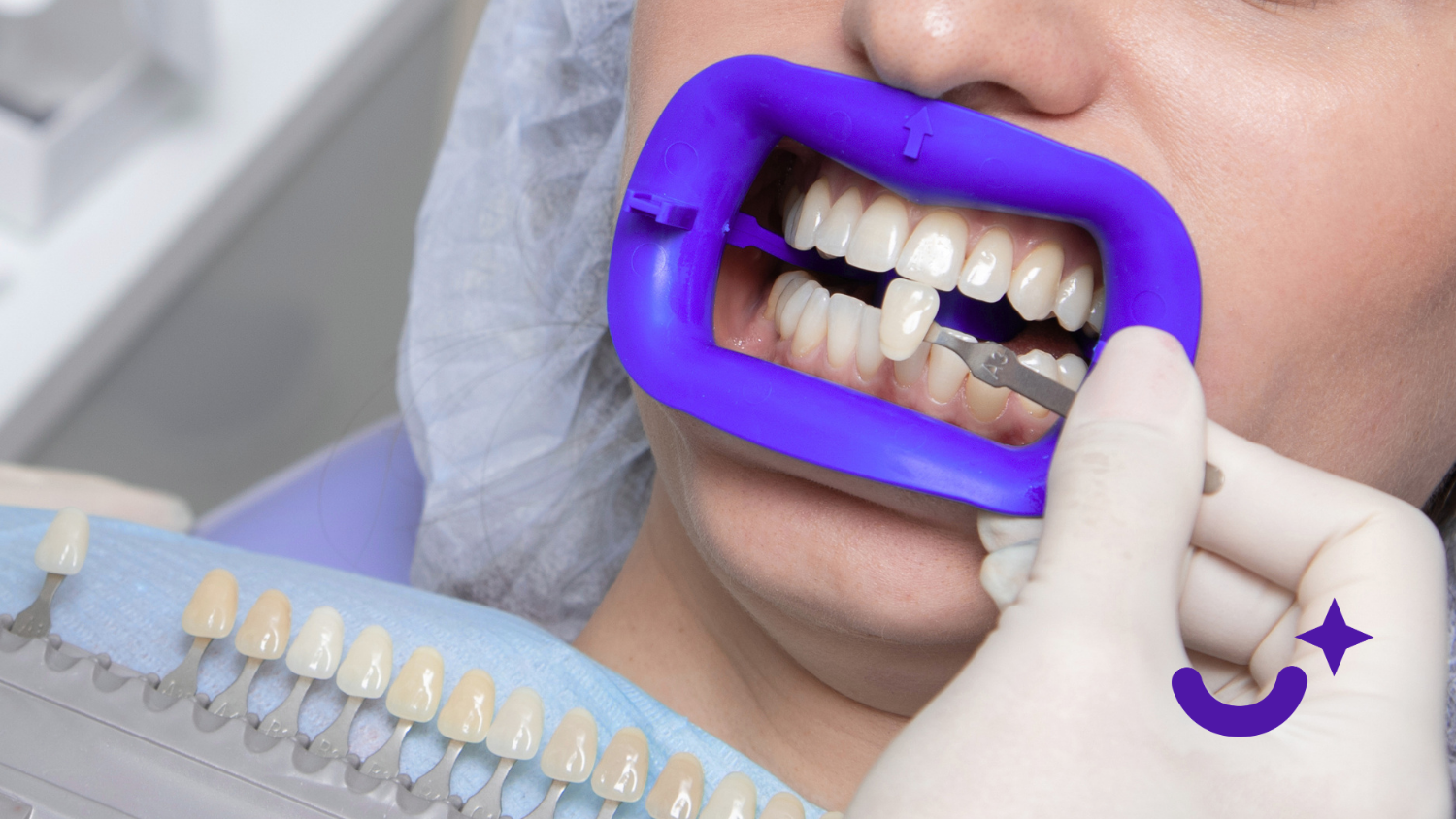
Veneers are thin shells, usually made of porcelain, custom-designed to cover the front surface of your teeth. They are more durable than bonding and can correct multiple cosmetic issues, including chipped, discolored, or misaligned teeth.
Benefits of veneers include:
Long-lasting, often 10–15 years or more
Highly resistant to stains
Provides a uniform, natural-looking smile
Can correct more significant cosmetic imperfections
Veneers are more expensive than bonding and require minor enamel removal, making the procedure irreversible.
Bonding vs. Veneers: Understanding the Key Differences
When it comes to fixing chipped or imperfect teeth, dental bonding and veneers are two of the most popular options—but they serve slightly different purposes.
Cost and Accessibility
Dental bonding is generally the more budget-friendly option, making it a great choice for minor cosmetic fixes. Veneers, on the other hand, tend to be pricier due to the materials used and the precision required in their placement.
Durability and Longevity
Bonding typically lasts between 3 to 10 years, depending on your oral habits and care. Veneers are a longer-term investment, with durability ranging from 10 to 15 years—or even longer with proper maintenance.
Procedure Time and Convenience
If you’re looking for a quick fix, bonding can usually be completed in just 30–60 minutes per tooth, often in a single visit. Veneers require multiple appointments to ensure a perfect fit and natural look, making the process more time-intensive.
Cosmetic Results
Bonding works well for minor chips, cracks, or gaps, providing a natural and seamless appearance. Veneers offer a higher level of cosmetic perfection, ideal for extensive improvements, including shape, size, and color adjustments.
Reversibility
One important consideration is that bonding is reversible—it can be removed or replaced if needed. Veneers, however, are irreversible because a thin layer of enamel must be removed from your teeth to accommodate them.
Ready to Fix Your Chipped Teeth?
Whether you’re considering bonding for a quick fix or veneers for a long-term transformation, we can help you restore your smile. Book a consultation today and let our expert team guide you to the best solution for your chipped teeth.